How to sell an SSD on eBay UK
A practical UK guide to listing, pricing, photographing and posting an SSD on eBay, with the condition details and buyer checks that matter for this product.
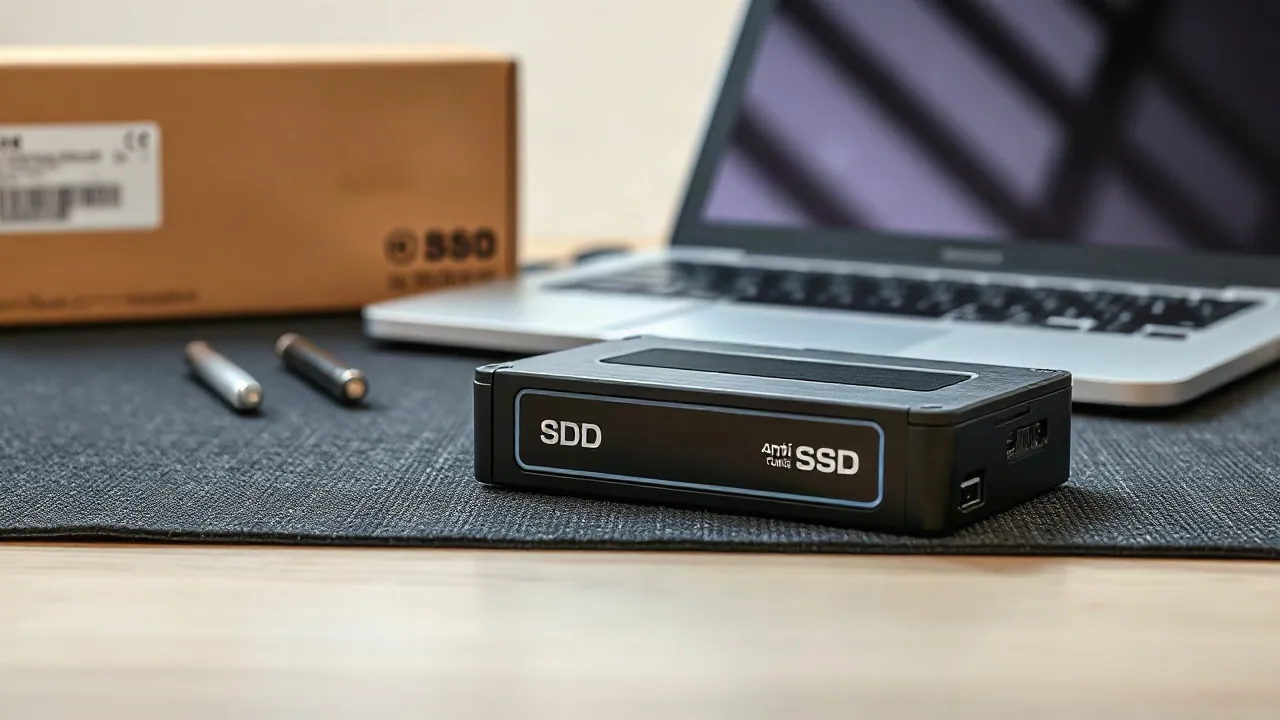
What to check before you list
When selling an SSD on eBay, the strongest listing is the one that answers the product-specific questions before a buyer has to message you. Start by confirming exact model number, capacity/specification, connector type, compatibility, tested status and any accessories. Those details help buyers compare the listing with genuinely similar items.
Identify an SSD precisely before setting the price. Record exact model number, capacity/specification, connector type, compatibility, tested status and any accessories. Differences in type, edition, size, material, specification, completeness or condition can change value sharply, so use the attributes that genuinely apply to what you are selling.
Identify the exact version
For storage drives, state the exact capacity, interface and model. If you have checked drive health, explain what you tested rather than simply calling it 'good'.
Erase personal data securely before sale. Pack the drive in anti-static protection and a rigid box; a bare drive in a thin mailer is not adequate protection.
Describe condition honestly
Describe the condition of an SSD in concrete terms. Test the functions that matter for this type of computer component, inspect it in good light and record every fault you find. If something has not been tested, say so rather than implying that it works.
Take photographs that allow a buyer to inspect an SSD remotely. Include labels/model numbers, connectors, pins, ports, screen condition where relevant and proof of a successful test where practical. Use clear lighting and sharp focus, and photograph faults deliberately. Hiding scratches or damage in dark photographs may win a click, but it increases the chance of a return or an item-not-as-described complaint.
Take photographs buyers can trust
Price an SSD from genuinely comparable sold examples. Match the same type, model, edition or specification where relevant, along with similar condition, completeness and included parts; unusually high asking prices are poor evidence unless completed sales show buyers actually pay them.
Choose the selling format for an SSD before settling on the price. A competitive fixed price may sell faster, while a higher price can leave room for Best Offer. In either case, set the lowest acceptable amount after stock cost, delivery, packaging and selling costs.
Research the real selling price
Build the listing title around an SSD, putting the most useful maker or brand, item type, size, specification, edition or quantity details early where they apply. Use the remaining space for meaningful condition or included-part information rather than filler words or repeated synonyms.
Choose the most accurate category for an SSD and complete the item specifics that genuinely apply. Correct specifics help buyers filter results and reduce ambiguity; do not select an inaccurate specification just because it appears to attract more searches.
Build the listing properly
In the description, state exactly what is included with an SSD. Give the quantity, dimensions, components, original packaging, documents or accessories where those details matter, and say explicitly when a part, piece or expected extra is missing.
Prepare an SSD for sale before you pack it: remove stored data from drives, record serial numbers and state clearly whether the part has been stress-tested, only basic-tested or is untested. Keep condition photographs and any serial numbers, maker marks, measurements or other identifying details that are genuinely relevant. That gives you a useful reference if returned goods do not match what you sent.
Prepare the item before dispatch
Work out delivery from the packed parcel, not from the bare item. For an SSD, use anti-static protection for components plus a rigid outer box and enough padding to prevent flexing or impact. Weigh and measure the finished parcel and choose a service suitable for its value, fragility and size rather than choosing purely on the cheapest headline price.
When pricing an SSD, treat postage as part of the commercial decision. Buyer-paid postage affects the delivered price, while 'free' postage still comes out of your margin, so compare expected net proceeds before accepting an offer.
Pack and post it safely
For a business seller, use the current fee rate for the category in which an SSD will actually be listed. Private and business seller structures differ, and advertising or international selling can add further costs. Use the current official eBay information or the figures shown in Seller Hub when the exact percentage matters.
Avoid unsupported claims about an SSD. Terms such as 'new', 'genuine', 'rare', 'complete', 'professionally graded' or 'fully tested' should only be used when they genuinely apply and you can support them with the item or your records.
Work out your real net return
Before dispatching an SSD, compare the packed order with the listing one final time. Check that every promised item, part or accessory is present, the condition has not changed, the delivery label matches the order and the parcel is protected for normal handling.
Keep the listing, condition photographs, identifying information where relevant, tracking record and important buyer messages for an SSD until the transaction is safely complete. Good records make genuine problems easier to resolve and give you something concrete to compare if returned goods come back in a different condition.
Avoid preventable disputes
If buyers repeatedly ask the same question about an SSD, improve the listing instead of answering it one message at a time. Repeated questions about identity, size, quantity, compatibility, condition or included parts usually reveal missing information.
Before publishing, read the listing as if you were buying an SSD from a stranger. Is it clear exactly what is being sold, the condition, what is included, what has actually been checked or verified, any faults or missing parts and how the order will arrive? If not, fix those gaps first.
Final checks before you publish
Finally, compare the finished listing with the strongest genuinely comparable sold item you found. You do not need to copy another seller, but the comparison can reveal a missing specification, measurement, photograph or accessory detail that would otherwise make an SSD harder for a buyer to evaluate.
Policy- and fee-sensitive information should be checked before acting.
Open the official source used for this pageFrequently asked questions
What details matter most when selling an SSD?
Identify an SSD precisely, describe its actual condition, show the important details in photographs and state exactly what is included.
How should I price an SSD on eBay?
Compare an SSD with genuinely similar sold items, matching the model or version, condition and accessories rather than relying on ambitious asking prices.
How should I package an SSD?
Pack an SSD for its real weak points, size and weight. Prevent movement and protect fragile surfaces, connectors, edges or screens as appropriate.
What should I check before dispatching an SSD?
Compare an SSD with the listing, confirm every promised accessory is present, keep useful condition records and use a delivery service suited to its value and fragility.